Peanut: A Crispy Hand-Drawn Font
For designers, marketers, and content creators, the right font can make a world of difference. Peanut is more than just a typeface—it's a creative tool that brings personality and energy to any project. With its unique hand-drawn style and layered design, Peanut offers a fresh alternative to standard fonts, making it ideal for those looking to add visual flair without sacrificing readability.
Whether you're designing a logo, crafting a social media post, or creating a presentation, Peanut provides a distinctive look that stands out. Its crunchy aesthetic adds a tactile quality to digital work, making it perfect for brands that want to convey approachability and creativity.
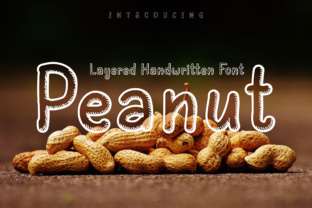
Understanding how Peanut works is key to unlocking its full potential. The font is built with two distinct layers: an outline and a filling. This design allows for greater flexibility, enabling users to customize the appearance based on their specific needs. By adjusting the layers, you can create variations that suit different contexts, from bold headlines to subtle accents.
Why Peanut Matters for Designers and Creators
Design is not just about aesthetics—it's about communication. Peanut helps bridge the gap between visual appeal and clarity. Its hand-drawn nature gives it a human touch, which can be especially valuable in branding and marketing materials. For example, a small business owner might use Peanut to create a logo that feels more personal and authentic, helping to build trust with their audience.
For educators and presenters, Peanut can enhance visual storytelling. When used in slides or handouts, it adds a playful element that keeps the audience engaged. Unlike rigid, geometric fonts, Peanut’s organic shape makes it feel more accessible and relatable, which can be particularly useful when explaining complex ideas.
Entrepreneurs and freelancers often need to communicate their brand identity effectively. Peanut offers a way to do this without relying on overused typefaces. It can be used across various platforms—website headers, email newsletters, or even packaging designs—to maintain a consistent and memorable visual identity.
Practical Benefits of Using Peanut
One of the most significant advantages of Peanut is its versatility. The layered design means you can experiment with different styles and effects. For instance, using only the outline layer can create a minimalist look, while adding the filling layer can produce a more dynamic and eye-catching result. This adaptability makes Peanut suitable for a wide range of projects.
Time is a valuable resource for professionals. Peanut saves time by offering a ready-to-use solution that doesn’t require extensive customization. Instead of searching for multiple fonts to achieve a specific effect, you can rely on Peanut’s two-layer structure to deliver the desired outcome quickly. This efficiency is especially beneficial for busy marketers or content creators who need to produce high-quality work under tight deadlines.
Another benefit is the font’s ability to support creativity. Because it’s hand-drawn, Peanut encourages a more expressive approach to design. It’s ideal for projects that require a unique tone, such as children’s books, art portfolios, or creative campaigns. Its informal yet structured look can inspire new ideas and push the boundaries of traditional typography.
Who Can Benefit Most from Peanut
Small business owners looking to establish a strong brand presence will find Peanut particularly useful. Its distinct style helps differentiate their products and services from competitors. For example, a boutique coffee shop might use Peanut in their signage or social media posts to create a warm, inviting atmosphere that resonates with customers.
Bloggers and content creators can also benefit from Peanut. Using it in headlines or captions can add a visual element that captures attention and enhances the overall reading experience. It’s especially effective for lifestyle, food, or creative blogs where a friendly and approachable tone is essential.
Freelancers working on graphic design projects may appreciate Peanut’s flexibility. Whether they’re designing a poster, a brochure, or a website, the font’s layered structure allows them to tailor the look to match the client’s vision. This level of control ensures that the final product meets both aesthetic and functional requirements.
Realistic Use Cases for Peanut
Consider a local bakery that wants to update its menu design. By incorporating Peanut into the text, the bakery can create a more engaging and visually appealing layout. The font’s hand-drawn style complements the warmth of the brand, making the menu feel more personalized and welcoming.
Another scenario involves a nonprofit organization promoting a community event. Using Peanut in promotional materials can help convey a sense of authenticity and connection. It’s an excellent choice for flyers, posters, or digital ads that aim to inspire action and engagement.
For a tech startup launching a new app, Peanut can be used in the user interface to add a human touch. While modern, clean fonts are common in tech, Peanut offers a refreshing contrast that highlights the company’s innovative spirit and creative approach.
Limitations and Considerations
While Peanut is a powerful tool, it’s important to consider its limitations. The font’s hand-drawn style may not be suitable for all types of projects. For instance, formal documents or professional reports may require a more traditional typeface to maintain a sense of authority and reliability.
Users should also ensure that Peanut is compatible with their design software and output formats. Some applications may not render layered fonts correctly, so testing is recommended before finalizing a project. Additionally, if the goal is to maintain a clean, minimal aesthetic, using only the outline layer may be preferable to avoid overwhelming the design.
Ultimately, the decision to use Peanut depends on the specific needs of the project. It’s best suited for creative, expressive, or casual contexts rather than highly technical or formal ones. By understanding these nuances, users can make informed choices that align with their goals.
Conclusion: Embrace the Crunchy Creativity of Peanut
Peanut is more than just a font—it’s a design asset that brings character and energy to any project. Its layered structure, hand-drawn style, and versatility make it a valuable tool for professionals across various industries. Whether you’re a designer, marketer, educator, or entrepreneur, Peanut offers a unique way to express your ideas and connect with your audience.
By incorporating Peanut into your workflow, you can enhance your creative output, save time, and stand out in a crowded market. Its crunchiness isn’t just a visual trait—it’s a reflection of the bold, expressive approach that defines modern design. So why settle for the ordinary when you can add a little extra flavor with Peanut?