Jelly Bean: A Fun, Hand-Lettered Font
If you're looking for a font that adds personality and charm to your designs, Jelly Bean is a standout choice. This hand-lettered font brings a playful vibe to any project, making it perfect for creative professionals, marketers, and anyone who wants to add a touch of whimsy to their work.
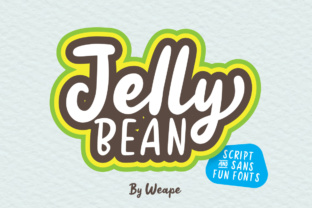
Jelly Bean isn't just one style—it comes in two versions: a script and a sans-serif. This versatility allows you to mix and match the two styles to create something truly unique. The script version gives a soft, flowing feel, while the sans-serif offers clarity and modernity. Combining them can result in a design that's both cute and fresh, ideal for branding, social media, or personal projects.
What Makes Jelly Bean Stand Out?
Jelly Bean’s appeal lies in its distinct character. The hand-lettered style gives it an organic, human touch that feels more approachable than many digital fonts. This makes it great for projects that aim to connect with audiences on a personal level.
The script version of Jelly Bean has a natural, almost handwritten look, which can be used to add a personal touch to invitations, logos, or headlines. Meanwhile, the sans-serif version provides a clean, modern alternative that works well for body text, headings, or minimalist designs.
One of the key strengths of Jelly Bean is its adaptability. Whether you're designing a website, a marketing campaign, or a greeting card, this font can be tailored to fit your needs. Its readability in both styles ensures that it remains functional without sacrificing style.
Practical Applications of Jelly Bean
For professionals in creative fields, Jelly Bean offers a way to stand out in a crowded market. Graphic designers might use it to create eye-catching logos or branding materials that reflect a fun, approachable brand identity. Marketers can use it in social media posts, advertisements, or email campaigns to grab attention and convey a friendly tone.
Educators and content creators can also benefit from Jelly Bean. Teachers might use it in lesson plans, posters, or classroom materials to make learning more engaging. Bloggers and publishers could incorporate it into headers or captions to add visual interest and personality to their content.
Entrepreneurs and small business owners often look for ways to differentiate their brands. Jelly Bean provides a unique visual element that can help a business stand out. Whether it's for a logo, packaging, or website, this font adds a fresh, modern twist that resonates with a wide audience.
Why Use Jelly Bean in Your Projects?
Using Jelly Bean can enhance the overall aesthetic of your work. Its combination of script and sans-serif styles allows for creative experimentation, making it ideal for those who want to push the boundaries of design. It’s especially effective when used in moderation, as too much of it can become overwhelming.
From a usability standpoint, Jelly Bean is easy to read in most sizes and contexts. The script version works best for short phrases or headlines, while the sans-serif is better suited for longer text. This flexibility makes it a valuable tool for a variety of design needs.
When it comes to communication, Jelly Bean can help convey a specific tone or emotion. Its playful nature makes it suitable for brands targeting younger audiences or those wanting to express creativity and innovation. At the same time, its clean lines ensure it remains professional enough for more formal settings.
Real-World Examples and Recommendations
Consider using Jelly Bean for a children's book cover, where its playful style can capture the imagination of young readers. It could also be used in a café menu to add a warm, inviting feel. For a tech startup, combining the script and sans-serif versions could create a modern yet friendly brand identity.
When selecting Jelly Bean, it's important to consider the context in which it will be used. Test it in different sizes and formats to see how it performs. Ensure that it complements other elements of your design rather than competing with them.
For those new to using hand-lettered fonts, start with small applications before committing to larger projects. This allows you to get a sense of how the font behaves in different environments and how it affects the overall design.
Final Thoughts on Jelly Bean
Jelly Bean is more than just a font—it's a tool for expression. Its unique blend of script and sans-serif styles offers endless possibilities for creative and professional use. Whether you're designing for a personal project or a commercial brand, this font can add a fresh, engaging element to your work.
By understanding its strengths and limitations, you can make the most of Jelly Bean in your design process. Its ability to combine playfulness with professionalism makes it a valuable addition to any designer's toolkit. So why not give it a try and see how it can elevate your next project?