Diamond: A Versatile Hand-Lettered Font for Creative Projects
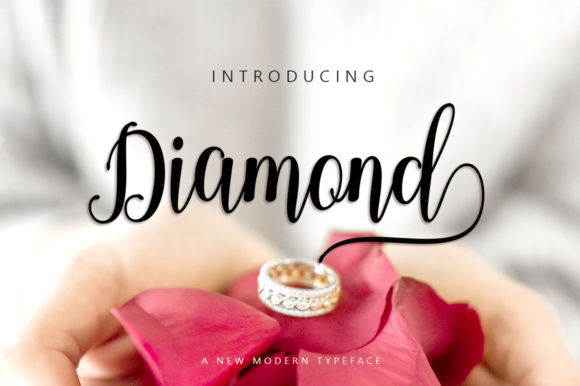
Diamond and Diamond Script is a hand-lettered font that stands out for its casual, dynamic, and expressive style. With its unique dancing baseline, it adds a sense of movement and personality to any design. The font comes in three distinct styles, making it adaptable for a wide range of creative applications. Whether you're working on branding, logos, greeting cards, or wedding stationery, Diamond offers a fresh and engaging alternative to more rigid typefaces.
One of the key features that sets Diamond apart is its natural, handwritten appearance. Unlike many digital fonts that aim for uniformity, Diamond embraces the imperfections and fluidity of calligraphy. This makes it ideal for projects that require a personal touch or a more organic feel. Its casual nature also means it can be used in both formal and informal contexts, depending on how it's applied.
Understanding What Makes Diamond Unique
Diamond is not just another decorative font—it’s designed with specific use cases in mind. The font’s three styles allow for flexibility in different design scenarios. For instance, one style might be better suited for headings, while another could work well for body text or short phrases. This variation helps maintain visual interest without overwhelming the reader.
The dancing baseline, which refers to the uneven alignment of letters, gives the font a lively and playful character. This feature can be particularly effective when used in creative projects that aim to convey energy, fun, or spontaneity. However, it may not be the best choice for situations where strict typographic consistency is required.
Compared to other hand-lettered fonts, Diamond strikes a balance between readability and artistic flair. Some similar options may prioritize ornate details over legibility, making them less suitable for longer texts. Diamond, on the other hand, maintains a level of clarity that allows it to be used in a broader range of applications.
When Diamond Is a Good Fit
Diamond is particularly well-suited for branding and logo design. Its dynamic look can help a brand stand out while still maintaining a professional edge. For example, a boutique or a small business looking to create a friendly and approachable image might find Diamond to be an excellent choice.
Greeting cards and wedding stationery are other areas where Diamond shines. The font’s casual and expressive nature can add a personal touch to invitations, thank-you notes, or special occasion cards. It works well for both modern and traditional designs, depending on how it’s paired with other elements.
Quotes and social media graphics are also strong use cases for Diamond. Its energetic style can enhance the impact of motivational messages, slogans, or captions. When used sparingly, it can draw attention without distracting from the main message.
Comparing Diamond to Other Options
When evaluating fonts for a project, it’s helpful to consider how Diamond stacks up against other hand-lettered or script-style fonts. For example, some alternatives may offer more elaborate flourishes or a more formal appearance, which could be preferable for certain types of design work.
Fonts like Brush Script or Lobster are often used for similar purposes, but they tend to have a more defined structure. While these may be better for creating a cohesive look across multiple design elements, they may lack the casual, flowing feel that Diamond provides. This makes Diamond a good option when a more relaxed or spontaneous aesthetic is desired.
In contrast, sans-serif or serif fonts may offer greater readability and versatility for larger blocks of text. However, they often lack the visual appeal and personality that hand-lettered fonts like Diamond bring to a design. The tradeoff here is between functionality and style—Diamond excels in the latter but may not be the best choice for all types of content.
Considerations for Using Diamond
While Diamond has many strengths, it’s important to recognize its limitations. For instance, it may not be the best choice for long paragraphs of text due to its stylized nature. In such cases, a more conventional font would be more appropriate to ensure clarity and readability.
Another consideration is how the font pairs with other design elements. Because of its unique baseline, it may not align as seamlessly with other fonts or graphic elements as a more standard typeface. Designers should test different combinations to see what works best for their specific project.
Additionally, the availability of the font can influence its practicality. If a designer is working within a limited set of tools or platforms, they should verify that Diamond is supported and easily accessible. Some fonts may require additional licensing or installation steps, which can affect workflow efficiency.
Deciding When to Use Diamond
Diamond is most effective when the goal is to add a sense of creativity, warmth, or personality to a design. It works well for projects that benefit from a human touch, such as handmade crafts, artistic illustrations, or personalized marketing materials. In these contexts, its distinctive style can enhance the overall visual appeal and emotional impact.
However, if the primary objective is to communicate information clearly and efficiently, a more straightforward font might be a better choice. For example, in technical documents, reports, or user interfaces, the focus is typically on legibility rather than aesthetics. In such cases, Diamond may not serve the intended purpose as effectively.
Ultimately, the decision to use Diamond depends on the specific needs of the project and the desired outcome. By understanding its strengths and limitations, designers can make informed choices about when and how to incorporate this font into their work.
Realistic Applications and Examples
Imagine a small café looking to create a new logo. They want something that feels welcoming and authentic. Diamond could be an excellent fit, as it conveys a sense of warmth and individuality. Pairing it with a simple, clean background would allow the font to stand out without overwhelming the design.
Another scenario might involve a wedding planner designing custom invitations. Diamond could be used for the couple’s names or key event details, adding a personal and elegant touch. When combined with subtle embellishments, it can create a visually appealing and meaningful design.
For a social media campaign promoting a lifestyle brand, Diamond could be used in captions or banners to add energy and vibrancy. Its dynamic style would complement the brand’s messaging and help capture the attention of the target audience.
These examples illustrate how Diamond can be adapted to different contexts while maintaining its core characteristics. By considering the goals and constraints of each project, designers can effectively leverage the font’s unique qualities.