Acapella: A Versatile Handwritten Font for Creative Projects
In the world of typography, a well-chosen font can make all the difference. For those looking to add a personal and artistic touch to their designs, Acapella stands out as a modern, handwritten font that offers both style and functionality. Whether you're a designer, a business owner, or a creative professional, understanding what makes Acapella unique can help you decide if it's the right choice for your next project.
What Is Acapella?
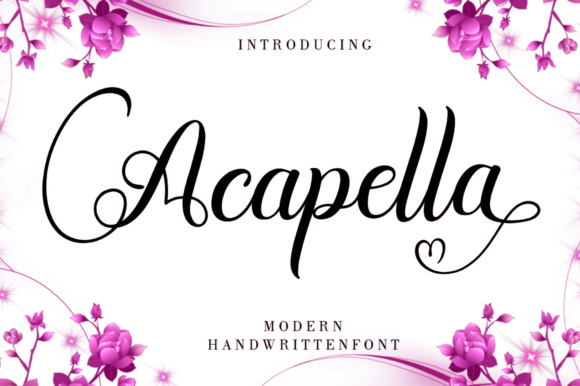
Acapella is a contemporary handwritten font designed to bring a sense of authenticity and creativity to digital projects. Unlike traditional fonts that offer a single, static appearance, Acapella comes with a variety of stunning alternates. This means that each time you use the font, you can create a different look without having to switch to another typeface. The result is a dynamic and personalized design that feels fresh and original.
Designed with versatility in mind, Acapella is ideal for a wide range of applications, from branding and marketing materials to social media posts and web content. Its fluid, natural strokes give it an organic feel that can evoke emotion and connection in a way that more rigid fonts often cannot.
Key Features of Acapella
One of the most notable aspects of Acapella is its extensive set of alternates. These include variations of letters, ligatures, and special characters that allow for greater customization. This feature not only enhances visual appeal but also ensures that your work remains distinct and engaging.
The font is available in multiple weights, making it adaptable to different design needs. Whether you need a bold, eye-catching headline or a subtle, elegant body text, Acapella can be adjusted to fit the context. Additionally, its open letterforms and generous spacing make it highly legible, even at smaller sizes.
Another advantage of Acapella is its compatibility with various design software. It works seamlessly with programs like Adobe Illustrator, Photoshop, and InDesign, allowing users to integrate it into their workflow without technical hurdles.
Where Can Acapella Be Used?
Acapella is particularly well-suited for projects that benefit from a personal or artistic touch. Here are some common use cases:
- Branding and Logos: Businesses looking to create a unique identity can use Acapella to design logos that stand out and convey a sense of creativity.
- Marketing Materials: From flyers to social media graphics, Acapella adds a human element that can resonate with audiences.
- Web Design: Website headers, call-to-action buttons, and other interactive elements can benefit from the font’s expressive style.
- Print Media: Brochures, business cards, and packaging can take on a more authentic feel when using Acapella.
- Personal Projects: Artists, writers, and hobbyists can use the font to enhance their portfolios, blogs, or creative works.
Who Benefits From Using Acapella?
Acapella is especially beneficial for professionals who want to differentiate their work through typography. For example, graphic designers can use it to create visually striking compositions, while entrepreneurs might find it useful for developing a brand that feels approachable and genuine.
Content creators, such as YouTubers, bloggers, and social media managers, can also leverage Acapella to make their visuals more engaging. Its handwritten aesthetic can help build a stronger connection with their audience, making content more relatable and memorable.
However, it's important to note that Acapella may not be the best choice for every situation. In formal or highly structured environments, such as legal documents or corporate reports, a more traditional font might be more appropriate. That said, when used thoughtfully, Acapella can still add a touch of personality without compromising professionalism.
Strengths and Considerations
The primary strength of Acapella lies in its flexibility and ability to adapt to different design styles. Its alternates allow for endless variation, which can be especially appealing to designers who want to avoid repetitive looks. Additionally, its readability makes it suitable for a wide range of text sizes and formats.
When considering Acapella, it's essential to think about the context in which it will be used. While it excels in creative and informal settings, it may require careful pairing with other fonts to ensure balance and harmony in more complex layouts. Users should also be mindful of licensing terms, as some fonts come with restrictions on commercial use.
Acapella is also a great option for those who want to experiment with typography without investing in multiple fonts. Its versatility allows users to explore different visual identities while maintaining a cohesive style across projects.
Real-World Applications
Let’s look at a few examples of how Acapella can be applied in practice:
- Small Business Branding: A local bakery could use Acapella for its logo and menu designs, giving it a warm, artisanal feel that appeals to customers.
- Event Invitations: Wedding or party invitations that feature Acapella can have a more personal and heartfelt tone, enhancing the overall experience for guests.
- Portfolio Websites: Artists and designers can use Acapella to highlight their work, creating a visual narrative that reflects their creative process.
- Social Media Content: Posts with Acapella text can stand out in crowded feeds, drawing attention and encouraging engagement.
How to Evaluate Suitability
If you're considering using Acapella, start by identifying the purpose of your project. Ask yourself: What message do I want to convey? Who is my target audience? How does the font align with my overall design strategy?
It can also be helpful to test Acapella in different contexts. Try using it in sample designs or mockups to see how it performs in real-world scenarios. Pay attention to how it interacts with other elements, such as colors, images, and layout structures.
Finally, consider the long-term implications of your choice. Will Acapella remain relevant as your project evolves? Does it support the goals of your design, or does it risk distracting from the message?
Conclusion
Acapella is more than just a font—it's a tool for expression and creativity. Its combination of elegance, versatility, and personalization makes it a valuable asset for anyone involved in design, branding, or content creation. By understanding its features, applications, and limitations, you can make informed decisions about whether it’s the right fit for your needs.
Whether you're looking to add a unique touch to your work or explore new typographic possibilities, Acapella offers a compelling solution that can elevate your projects and bring a fresh perspective to your designs.