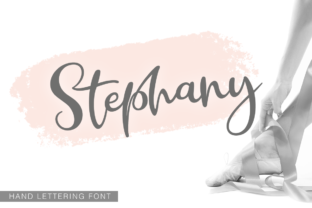
Stephany: A Handmade Font for Creative Workflow
The Stephany script is a fresh, handmade font that brings a personal touch to any design project. Its elegant, flowing style makes it ideal for branding, wedding invitations, logos, and other creative endeavors where a unique, artistic flair is desired. Unlike mass-produced typefaces, Stephany offers a sense of authenticity and craftsmanship that can elevate the visual identity of a project.
For professionals and creatives, integrating Stephany into their workflow can enhance the aesthetic quality of their output while maintaining a cohesive brand voice. Whether you're working on a marketing campaign, a personal blog, or a small business website, this font provides a versatile tool that can be adapted to various design contexts.
Understanding Stephany in the Design Process
Stephany is more than just a font—it's a design element that can influence the entire creative process. From initial concept to final execution, its presence can shape how a message is delivered and received. When used thoughtfully, it adds a human element that can make designs feel more approachable and authentic.
In the planning phase, choosing a font like Stephany requires consideration of its readability, scalability, and compatibility with other design elements. It’s important to test how it works across different mediums—print, digital, or interactive platforms—to ensure it maintains its integrity and impact.
During the execution stage, Stephany can be paired with other fonts, colors, and layouts to create a balanced composition. For example, using it as a headline font while pairing it with a sans-serif body font can create contrast and visual interest without overwhelming the viewer.
Stephany in Real-World Applications
One of the most common uses of Stephany is in wedding design. Its graceful curves and organic feel make it perfect for invitations, place cards, and other event-related materials. Couples looking for a personalized touch often choose this font to reflect their individuality and style.
For businesses, Stephany can be a valuable asset in branding. It can be used in logos, social media graphics, and promotional materials to create a distinctive visual identity. When integrated consistently across all touchpoints, it helps build brand recognition and trust.
Designers and marketers also use Stephany in content creation. Whether it's for blog headers, email newsletters, or social media posts, this font adds a stylish and professional look that can engage audiences and reinforce a brand's message.
Integrating Stephany into Your Workflow
To effectively incorporate Stephany into your workflow, start by understanding its strengths and limitations. It’s best suited for projects that require a personal or artistic touch rather than high readability in long blocks of text. This means it may not be the best choice for body copy but excels when used in headings, titles, or decorative elements.
Before using Stephany, check its licensing terms to ensure it’s compatible with your intended use. Some fonts come with restrictions on commercial use or redistribution, so it's important to verify these details before implementing them in a project.
When working with a team, communicate clearly about how Stephany should be used. Provide guidelines on font size, spacing, and color to maintain consistency across all deliverables. This helps prevent misinterpretation and ensures the font is applied correctly in every context.
Best Practices for Using Stephany
One practical tip is to use Stephany sparingly. Overusing it can dilute its impact and make designs feel cluttered. Instead, reserve it for key elements such as headlines, logos, or callout text where it can make the most visual impact.
Another strategy is to pair it with complementary fonts. For instance, combining it with a clean, modern sans-serif font can create a harmonious balance between creativity and clarity. This approach is especially useful in digital design, where legibility is crucial.
Testing Stephany across different platforms and devices is also essential. Ensure that it renders consistently on both desktop and mobile screens, and check how it appears in print versus digital formats. This helps maintain a professional appearance regardless of the medium.
Enhancing Creativity with Stephany
For creators and artists, Stephany can serve as a source of inspiration. Its handmade nature encourages a more personal and expressive approach to design. By incorporating it into their work, designers can infuse their projects with a sense of individuality and craftsmanship that sets them apart from generic, mass-produced designs.
Freelancers and small business owners can also benefit from using Stephany in their branding efforts. It allows them to create a unique visual identity that resonates with their target audience. This can be particularly effective in industries where aesthetics play a significant role, such as fashion, hospitality, or lifestyle branding.
Additionally, educators and content creators can use Stephany to make their materials more visually engaging. Whether it's for lesson plans, presentations, or online courses, adding a touch of elegance through this font can enhance the learning experience and make content more appealing to students or readers.
Long-Term Use and Maintenance
When using Stephany over an extended period, consider how it fits into your long-term design strategy. As trends evolve, it's important to assess whether the font still aligns with your brand's visual direction. If needed, you can gradually introduce new typefaces while maintaining consistency in your overall design language.
Maintaining a library of fonts, including Stephany, can streamline your workflow and reduce the time spent searching for the right typeface. Organize your fonts by category or use case, making it easier to access them when needed.
Finally, stay informed about updates or variations of Stephany that may become available. Font foundries often release new versions with additional features, such as ligatures, alternate characters, or improved glyph sets. These updates can expand the font's versatility and keep your designs looking fresh and up-to-date.
Conclusion
Stephany is more than just a font—it's a tool that can enhance the creative process and add a unique personality to any project. By understanding its strengths and integrating it thoughtfully into your workflow, you can leverage its beauty and versatility to create visually compelling designs that stand out in a competitive market.
Whether you're a designer, marketer, educator, or small business owner, Stephany offers a way to express your vision with style and authenticity. With proper implementation and thoughtful use, it can become an essential part of your design toolkit, helping you achieve professional results with a personal touch.