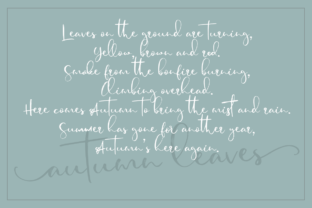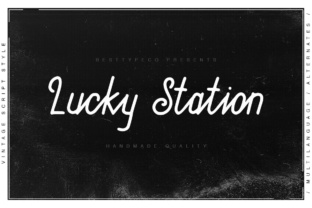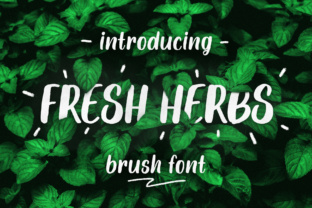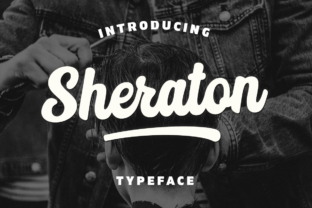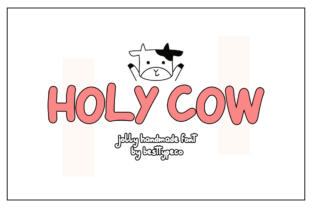
Holy Cow: A Fresh, Handmade Calligraphy Font for Creative Projects
Holy Cow is more than just a calligraphy font—it’s a creative tool that brings personality and authenticity to any design. With its handmade aesthetic, this font stands out in a world where digital precision often overshadows individuality. Whether you're working on greeting cards, branding materials, or business cards, Holy Cow offers a unique visual identity that can elevate your projects from ordinary to extraordinary.
Why Choose a Handmade Calligraphy Font?
In an era dominated by sleek, geometric typefaces, the charm of a handmade calligraphy font like Holy Cow lies in its organic, human touch. Each letterform carries subtle variations that mimic the natural flow of a brush or pen, giving your designs a sense of warmth and character. This makes it ideal for projects that aim to convey emotion, creativity, or a personal connection.
Unlike many digital fonts that feel static, Holy Cow feels alive. Its fluid strokes and expressive curves invite viewers to engage with the text in a more meaningful way. This quality is especially valuable in industries such as wedding planning, artisanal branding, or independent publishing, where the visual language plays a key role in storytelling.
Applications of Holy Cow in Design Projects
The versatility of Holy Cow makes it suitable for a wide range of applications. For example, when designing greeting cards, the font adds a touch of elegance and sincerity that complements heartfelt messages. Its readability ensures that even intricate details remain legible, making it perfect for both short phrases and longer quotes.
In branding, Holy Cow can be used to create a distinct visual identity. Whether it's for a boutique, a coffee shop, or a creative studio, the font helps establish a brand that feels authentic and approachable. Pairing it with modern sans-serif fonts can create a balanced contrast that draws attention without overwhelming the viewer.
Business cards are another area where Holy Cow shines. A well-designed business card can leave a lasting impression, and using a custom calligraphy font can make your contact information stand out. It’s especially effective for professionals in the arts, education, or hospitality sectors who want to convey a sense of craftsmanship and care.
Integrating Holy Cow into Modern Workflows
For designers and creatives, integrating a new font into their workflow requires consideration of compatibility, licensing, and usability. Holy Cow is typically available in standard font formats such as OTF and TTF, ensuring it works seamlessly across most design software, including Adobe Illustrator, Photoshop, and InDesign.
When using Holy Cow in digital projects, it’s important to test how it looks at different sizes and weights. While the font is designed to be readable, certain styles may require adjustments in spacing or line height to maintain clarity. Experimenting with different layouts can help uncover the best ways to leverage its unique qualities.
For those working in print, Holy Cow can add a tactile dimension to physical materials. Its handcrafted appearance pairs well with textured paper, foil stamping, or embossing techniques, enhancing the overall sensory experience of the final product.
Practical Benefits of Using Holy Cow
One of the key advantages of Holy Cow is its ability to differentiate a project from others. In a saturated market, having a unique font can set your work apart and capture the attention of your target audience. This is particularly beneficial for small businesses or independent creators looking to build a strong visual presence.
Another practical benefit is its adaptability. Holy Cow can be used in both formal and informal contexts, depending on the style and color choices. For instance, a darker, bolder version might be used for a poster promoting an event, while a lighter, more delicate variant could be ideal for a wedding invitation.
Additionally, the font’s readability ensures that it doesn’t sacrifice clarity for style. This means it can be used effectively in both large-scale displays and smaller, detailed designs without losing its impact.
Scenarios Where Holy Cow Excels
Consider a scenario where a designer is creating a series of motivational posters. By using Holy Cow, they can infuse each quote with a sense of personal expression and artistic flair. The font’s flowing lines and dynamic shapes add energy to the message, making it more engaging for viewers.
Another example is a local bakery looking to update its packaging. Incorporating Holy Cow into the logo or tagline can give the brand a fresh, inviting look that reflects the quality and care put into their products. The font’s handmade nature aligns well with the values of sustainability and craftsmanship that many consumers appreciate today.
Even in digital marketing, Holy Cow can play a role. Social media posts, email newsletters, or website headers featuring the font can create a cohesive and memorable visual theme that reinforces brand identity.
Recommendations for Using Holy Cow
To get the most out of Holy Cow, consider experimenting with different combinations. Pairing it with complementary fonts—such as a clean sans-serif or a classic serif—can create a balanced and professional look. It’s also helpful to explore various color schemes to see how the font interacts with different backgrounds and text colors.
When using Holy Cow in a multi-platform project, ensure that it’s properly embedded or licensed for all intended uses. This includes web, print, and mobile applications. Checking the font’s license agreement will help avoid any legal issues down the line.
Finally, don’t be afraid to let the font shine. Sometimes, less is more. Using Holy Cow as a headline or a focal point rather than in long paragraphs can maximize its visual impact and maintain readability.