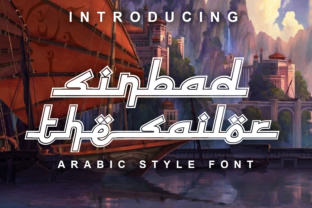
Sinbad the Sailor: A Bold Arabic-Style Font for Creative Projects
If you're looking for a font that brings a sense of adventure and cultural flair to your design work, Sinbad the Sailor is a strong contender. This Arabic-style font isn't just about aesthetics—it's a versatile tool that can elevate everything from digital posters to print banners. Whether you're a designer, marketer, or creative professional, understanding how and where to use this font can make a big difference in your projects.
What Makes Sinbad the Sailor Unique
Sinbad the Sailor stands out because of its distinctive Arabic-inspired design. It combines traditional calligraphic elements with modern typography, giving it a bold and eye-catching appearance. The font’s curves and flourishes are reminiscent of ancient scripts, yet it remains legible and functional for contemporary use. This blend of old-world charm and modern practicality makes it ideal for a wide range of applications.
Unlike many other fonts that stick strictly to Latin characters, Sinbad the Sailor incorporates features that reflect Arabic typography. This gives it a unique visual identity, especially when used in bilingual or culturally themed designs. The font works best when paired with other complementary typefaces that balance its complexity without overwhelming the overall composition.
Real-World Applications of Sinbad the Sailor
One of the most common uses for Sinbad the Sailor is in graphic design for promotional materials. Businesses looking to add an exotic or adventurous feel to their branding often turn to this font. For example, travel agencies, restaurants serving Middle Eastern cuisine, or event planners hosting cultural festivals might use it to create visually engaging posters or banners that stand out in crowded spaces.
Another area where Sinbad the Sailor shines is in digital content creation. Social media posts, website headers, and online advertisements can benefit from the font’s striking presence. When used appropriately, it can draw attention and convey a sense of storytelling, which is especially useful for brands aiming to connect with audiences on an emotional level.
Designers working on book covers, magazine layouts, or editorial spreads may also find value in using this font. Its dramatic look can set the tone for narratives that involve exploration, mystery, or historical themes. However, it's important to consider readability, especially in long-form text, as the font’s intricate details might not be suitable for body copy.
Who Benefits from Using Sinbad the Sailor
Graphic designers and artists who want to experiment with different visual styles will appreciate the flexibility that Sinbad the Sailor offers. It allows them to explore new creative directions while maintaining a connection to traditional art forms. For those working on projects with a Middle Eastern or North African influence, this font can serve as a powerful symbol of cultural authenticity.
Marketers and business owners looking to differentiate their brand in a competitive market may also find this font useful. By incorporating Sinbad the Sailor into logos, packaging, or advertising campaigns, they can create a memorable and distinctive visual identity. However, it's essential to ensure that the font aligns with the brand’s overall message and target audience.
Content creators, such as YouTubers, bloggers, or podcast hosts, can use this font to enhance the visual appeal of their thumbnails, titles, or social media graphics. The font’s boldness can help capture attention and reinforce the theme of their content, whether it's about travel, history, or cultural exploration.
Considerations Before Using Sinbad the Sailor
Before choosing to use Sinbad the Sailor, it's important to evaluate the context in which it will be applied. While the font is visually striking, it may not be appropriate for all types of projects. For instance, formal documents, academic papers, or professional reports typically require more subdued and readable fonts. In these cases, Sinbad the Sailor might come across as too informal or distracting.
Another consideration is the availability of the font. Not all design software or platforms may support Sinbad the Sailor natively, so users should check compatibility before integrating it into their workflow. Additionally, licensing terms can vary, so it's crucial to understand the rights associated with using the font for commercial or personal purposes.
Finally, testing the font in different sizes and formats is recommended. What looks great in a large banner might not translate well to smaller text or mobile screens. Experimenting with spacing, color contrast, and surrounding elements can help ensure that the font enhances rather than detracts from the overall design.
Strengths and Limitations of Sinbad the Sailor
The primary strength of Sinbad the Sailor lies in its ability to evoke a sense of adventure and cultural richness. Its bold, stylized look makes it ideal for projects that aim to stand out and tell a story. The font’s unique character can also help create a strong visual identity, especially for brands or individuals looking to differentiate themselves in a saturated market.
However, there are limitations to consider. The font’s complexity may reduce readability in certain contexts, particularly when used in small sizes or against busy backgrounds. It also requires careful pairing with other fonts to avoid visual clutter. Additionally, its niche appeal means it may not resonate with all audiences, depending on the project’s goals and target demographic.
Despite these challenges, Sinbad the Sailor remains a valuable asset for designers and creatives who are willing to use it thoughtfully. By understanding its strengths and limitations, users can make informed decisions about when and how to incorporate it into their work.