Discover Jean Jingga: A Handwritten Font with Elegance
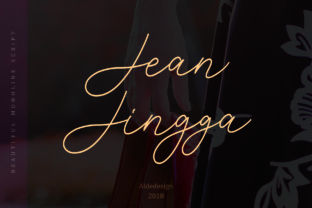
Jean Jingga is a beautiful handwritten font that brings a natural and elegant look to any design. Its unique style makes it perfect for a variety of creative projects, offering both aesthetic appeal and practical use. Whether you're working on a personal project or a professional design, Jean Jingga can add a touch of sophistication.
What Makes Jean Jingga Stand Out?
Unlike many digital fonts, Jean Jingga mimics the fluidity of real handwriting. This gives it a warm, personal feel that can make your designs more engaging. The font’s subtle variations in stroke width and spacing create a sense of authenticity, making it ideal for projects that require a human touch.
Its versatility is another key feature. Jean Jingga works well in both digital and print formats, making it suitable for everything from social media posts to business cards. It’s also easy to use, even for those who are new to typography. You don’t need advanced design skills to incorporate it into your work.
Why Choose Jean Jingga?
If you’re looking for a font that adds character without being overwhelming, Jean Jingga is an excellent choice. It’s particularly useful for designers who want to convey a sense of creativity and individuality. For instance, bloggers might use it for headings to make their content more visually appealing, while entrepreneurs could use it on marketing materials to stand out from competitors.
The font’s elegance also makes it a great fit for branding. Small businesses, in particular, can benefit from using Jean Jingga to create a cohesive and professional look across their website, logos, and promotional items. It helps establish a brand identity that feels approachable yet refined.
Where Can You Use Jean Jingga?
There are countless ways to use Jean Jingga depending on your needs. In personal projects, it can be used for creating custom greeting cards, journaling, or even designing a unique resume. For creative professionals, it’s a valuable tool for web design, illustrations, and UI elements.
In educational settings, teachers might use Jean Jingga to make lesson plans or handouts more visually interesting. Students could use it for presentations or creative assignments to add a personal flair. Its readability ensures that it remains functional even when used in larger text sizes.
Realistic Use Cases
- Business Branding: A boutique owner might use Jean Jingga for their logo to give their brand a distinctive, handmade feel.
- Social Media Content: A content creator could use the font for captions or graphics to make their posts more eye-catching.
- Personal Projects: An artist might incorporate Jean Jingga into their portfolio to showcase their creative style.
Things to Consider Before Using Jean Jingga
Before diving into using Jean Jingga, it’s important to understand its limitations. While it’s great for headings and short text, it may not be the best choice for long paragraphs due to its script style. Always test the font in different sizes and contexts to ensure it meets your needs.
Additionally, consider the platform or software you’ll be using. Some applications may have limited support for certain fonts, so it’s wise to check compatibility before finalizing your design. You should also explore licensing options to ensure you’re using the font correctly, especially if it’s for commercial purposes.
How to Get Started with Jean Jingga
Getting started with Jean Jingga is straightforward. Many design platforms offer access to this font, or you can download it from trusted font websites. Once installed, you can easily apply it to your projects using common design tools like Adobe Photoshop, Illustrator, or Canva.
For beginners, experimenting with different styles and layouts can help you discover the best way to use Jean Jingga. Don’t be afraid to mix it with other fonts to create a balanced and visually appealing design. The key is to let the font enhance your message rather than overpower it.